Eight and a half hours on one battery.
Fixed-wing and rotary UAVs for defence, energy, survey and patrol. Designed, printed and assembled in New Delhi.
Nine aircraft.
Two families.
One interface.
Four fixed wings that fly a working day, five rotary platforms that go vertical from wherever the team is standing. The payload plate, the power rail and the ground station are the same on all nine, so a sensor qualified on one flies on the rest.
Fixed wing
All four airframes →Rotary
All five platforms →The hours are built, not bought.
A long-endurance aircraft is not one with a bigger battery. It is one where the propeller, the motor and the wing are matched to the speed the aircraft actually flies at — because that is where two thirds of the power in this class is currently thrown away.
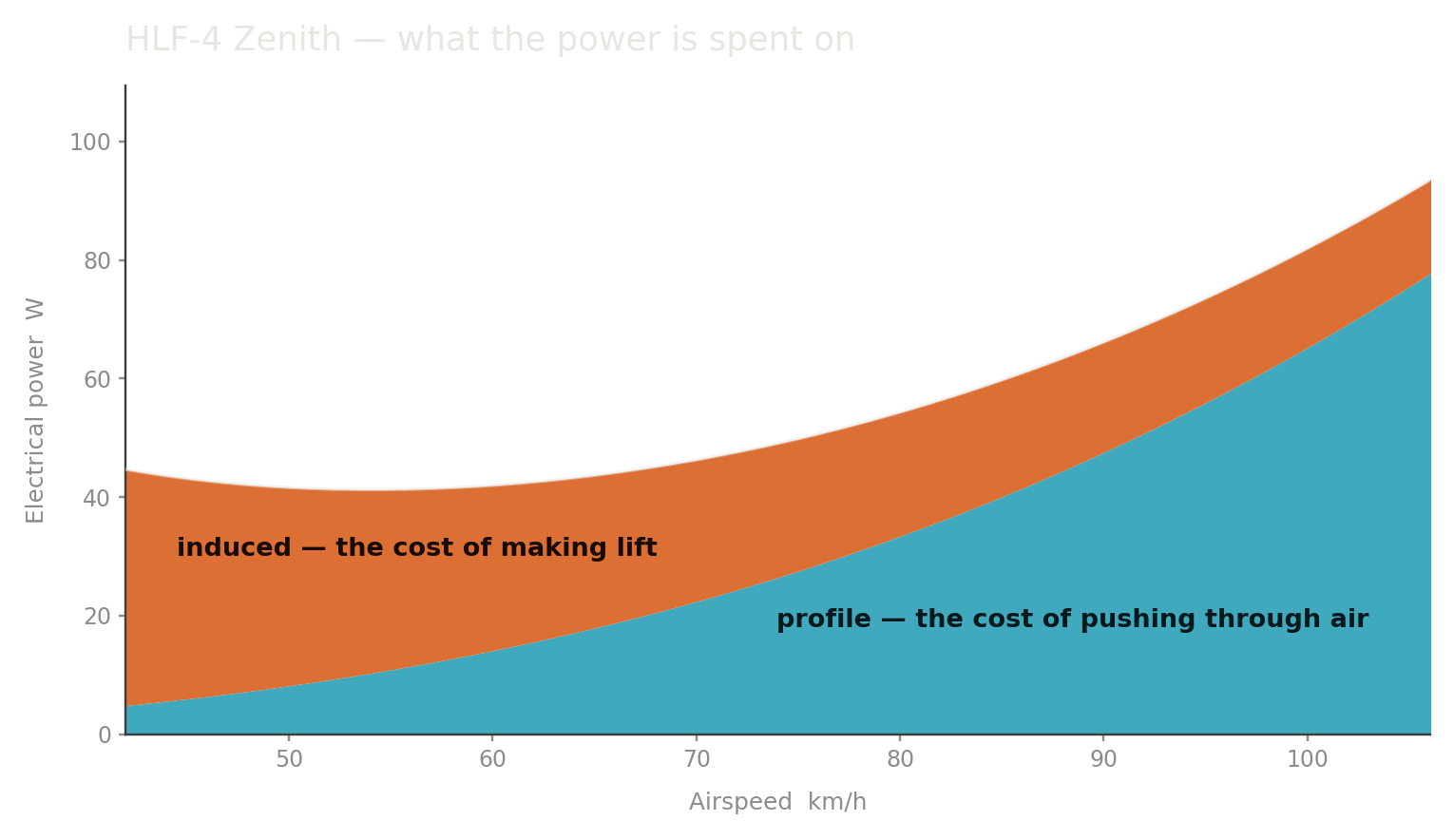
The class norm is a seven-inch propeller turning fast enough to move air at thirty metres a second, on an aircraft that flies at eighteen. The mismatch is not a rounding error; it is most of the energy budget.
We size the propeller, the motor and the pack for the cruise point rather than the peak, then take the mass back out of the structure. The same airframe, the same cells, a working day instead of an afternoon.
A stack instead of a pack, on the two airframes built for it.
A proton-exchange stack turns hydrogen into electricity with water as the only output. It refuels in minutes rather than charging in hours, and its power-to-weight is what turns long endurance from a battery order into a design choice.
The HLF-1 and the HLX-1 take a stack and a tank in place of the pack — the bay on both was sized for it from the first revision. Every endurance figure on this site is battery-electric; the stack is quoted separately.
The propulsion programme →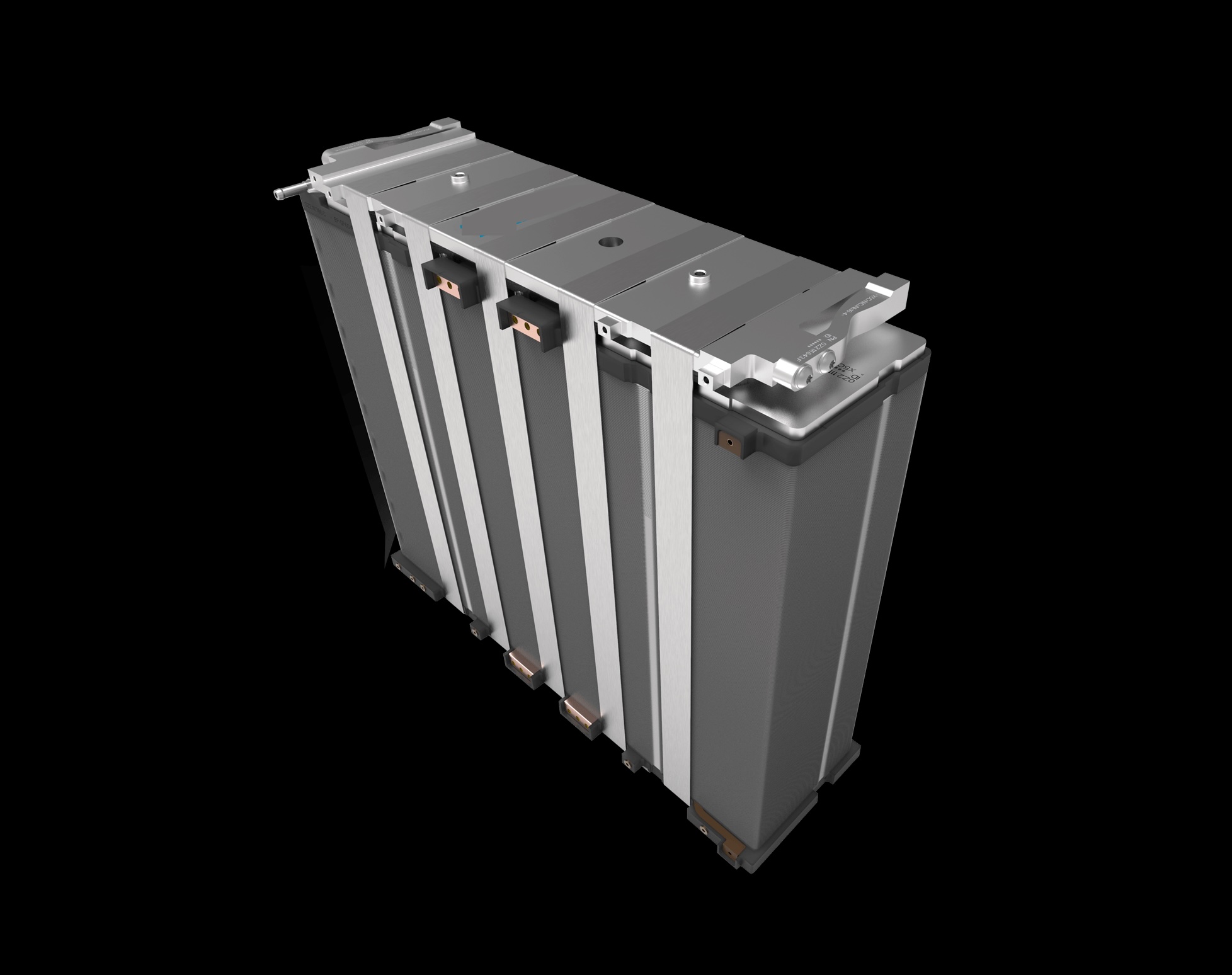
One fleet, not nine products.
A crew learns the line once. A sensor is qualified once. A spare is a file, and the aircraft that took the strike is flying again the same week.
{{ f.h }}
{{ f.p }}
Where a working day changes the job.
Each line is an aircraft in the line doing a task it can fly today, with the figure that makes it possible.
{{ a.v }}
Tell us the mission. We will tell you the aircraft.
Give us the sortie length, the sensor and where you fly it. You will get the platform that meets it, its full specification, and a straight answer if we do not have one yet.
Exasun Systems LLP
AAR 987
New Delhi, India
Nine platforms, one interface.
Pick the hours the task needs. The payload plate, the power rail and the ground station do not change between them, so the choice is about the mission and nothing else.
The fixed wings, by the hour
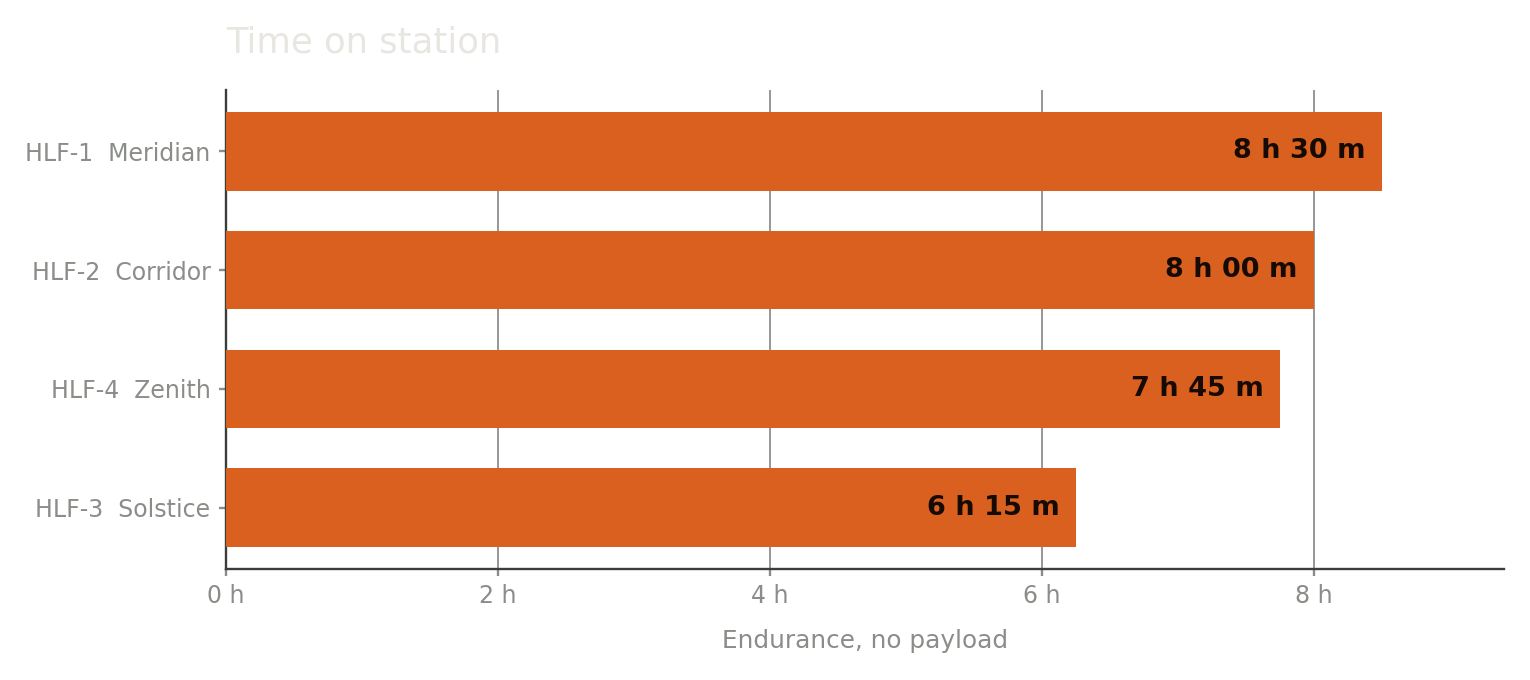
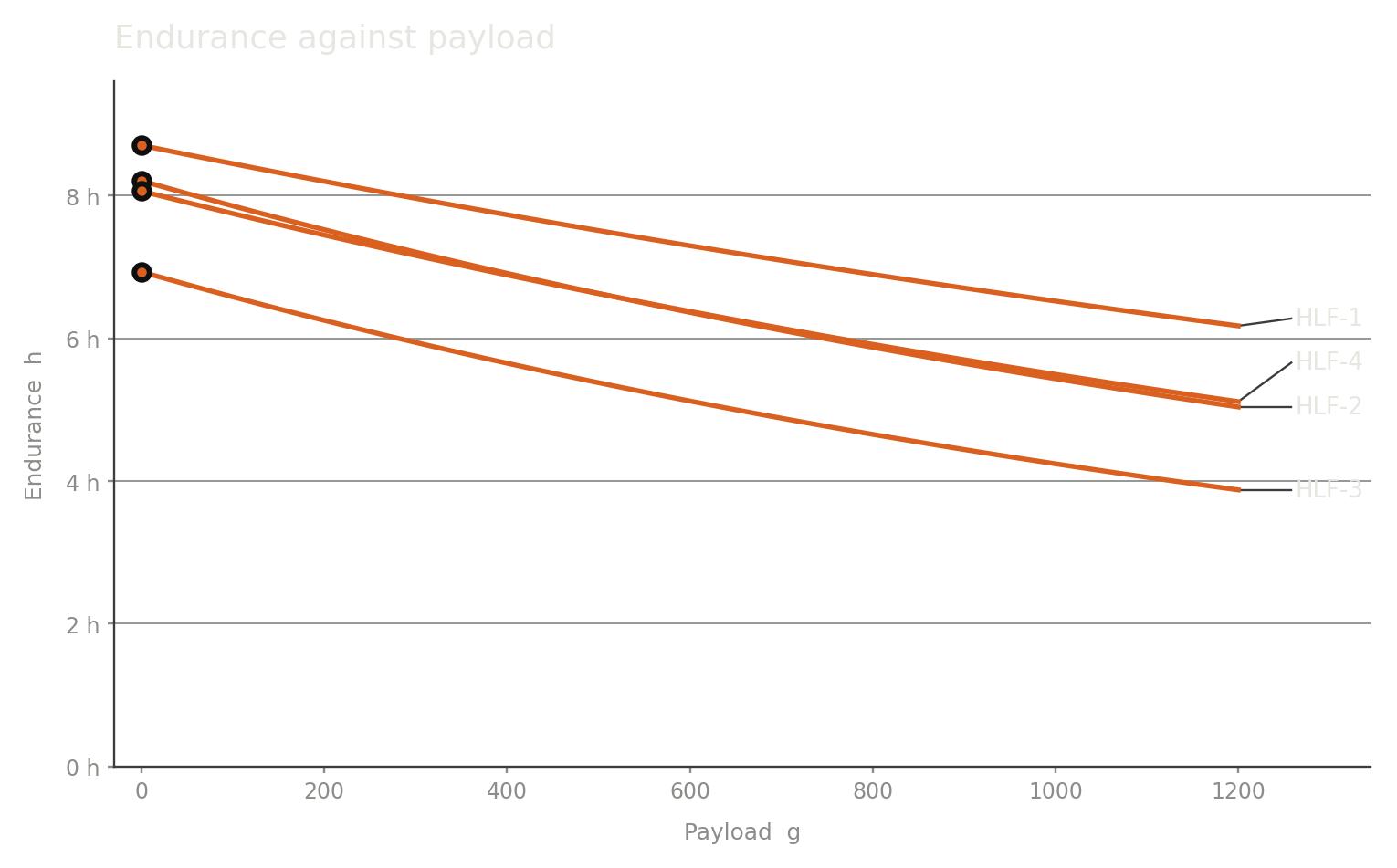
Battery-electric, no payload, at each aircraft's own cruise speed. Endurance falls with payload on the curve beside it — a quarter-kilo costs the Zenith about forty minutes.
The line, as built
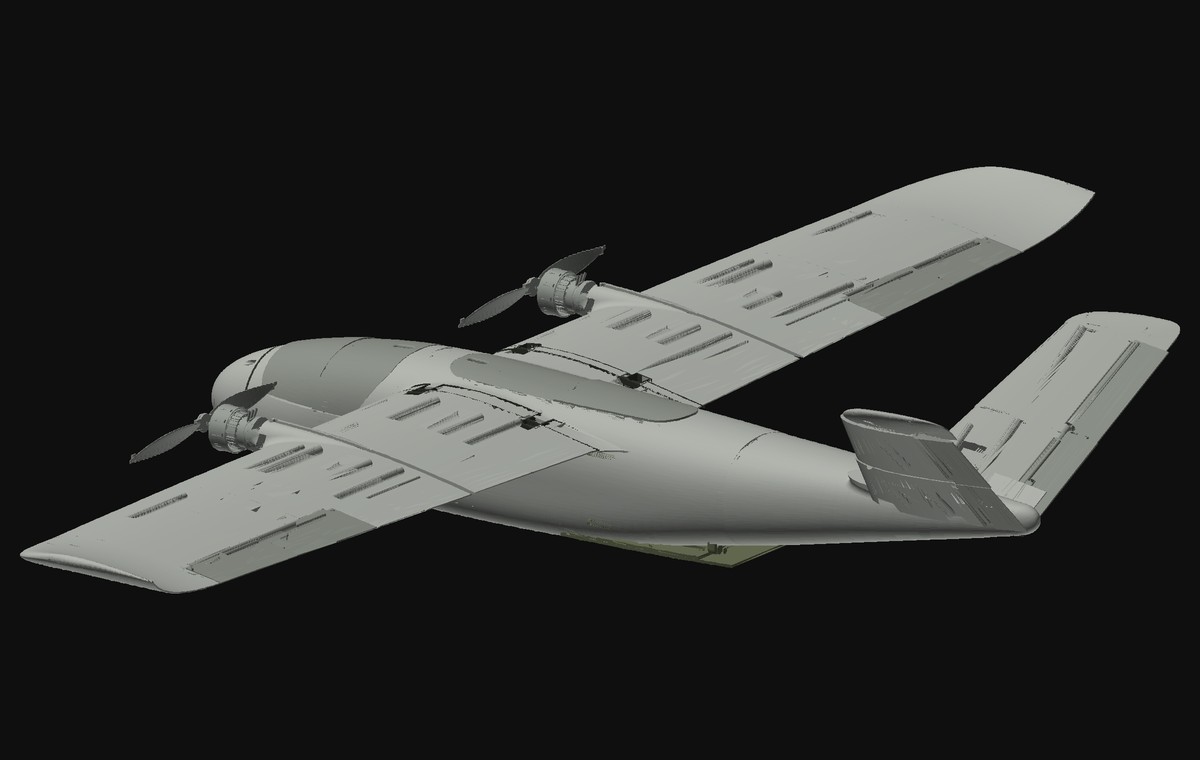
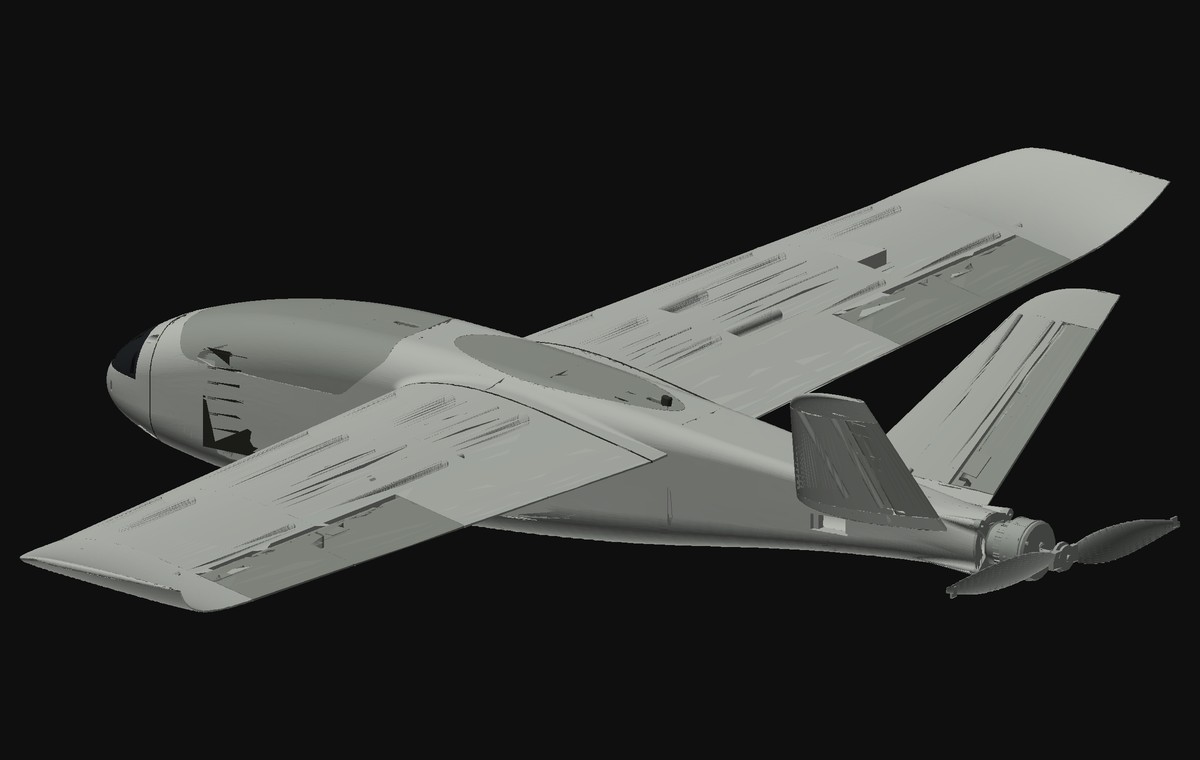
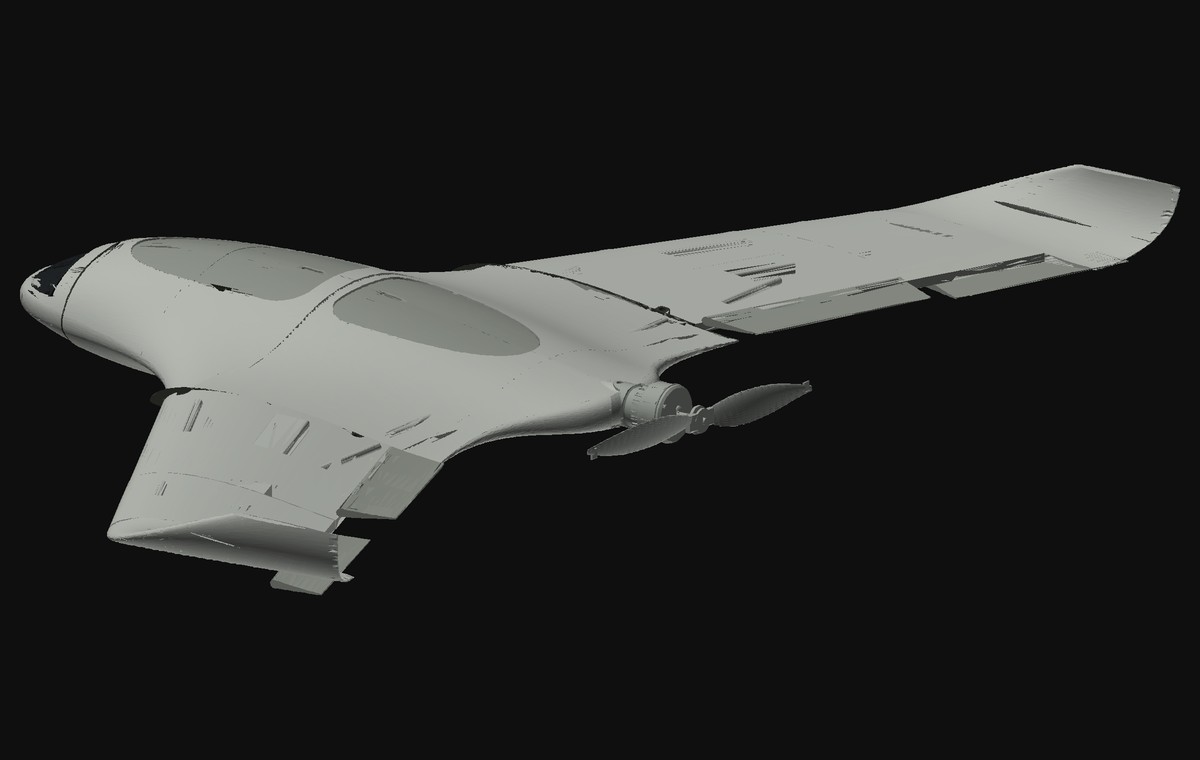
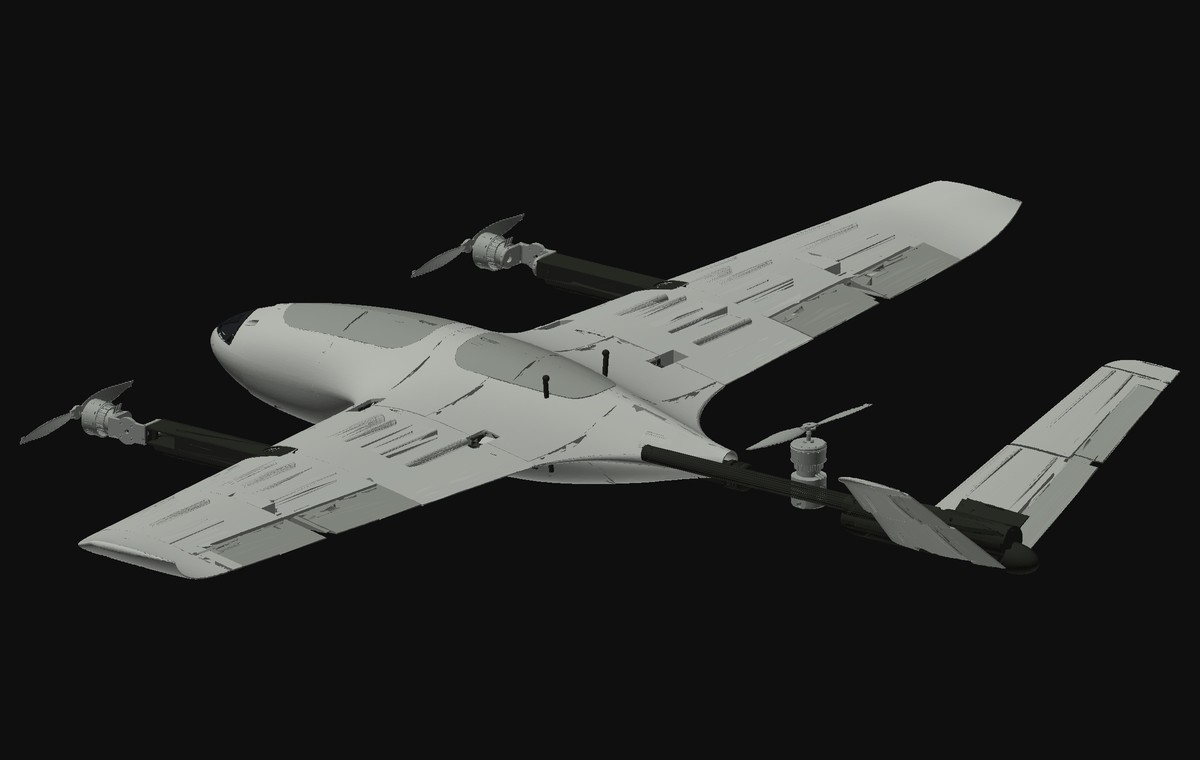
The four fixed wings, the HLX-3, HLX-5 and HLX-6 are rendered from their own geometry, part for part. HLX-1 and HLX-2 are shown as design renders.
Common to all nine
Endurance is the whole design brief
It is decided by two numbers, and most of the industry works on only one of them.
Energy on board, divided by power required
There is no third term. Every extra minute in the air comes from raising the numerator or lowering the denominator.
On a fixed wing, power required falls with induced drag, so span and cruise speed dominate. On a multirotor it falls with disc area, so the largest propeller the airframe will carry does more for flight time than any battery.
02Sized for the mission, not the datasheet
A pack specified for peak current carries mass it never uses. A propeller specified for maximum thrust wastes power at cruise. We size both for the point the aircraft actually flies at, then take the mass back out of the structure.
The bay the stack goes in
A pack has a hard ceiling: once the cells are as dense as cells get, the aircraft stops improving. A fuel cell moves the ceiling, because the energy sits in the tank and the tank is refilled rather than recharged.
Highlighted in the model is the mounting pad in the HLF-1 centre bay. Two airframes take a stack in place of the pack. Every endurance figure on this site is battery-electric.
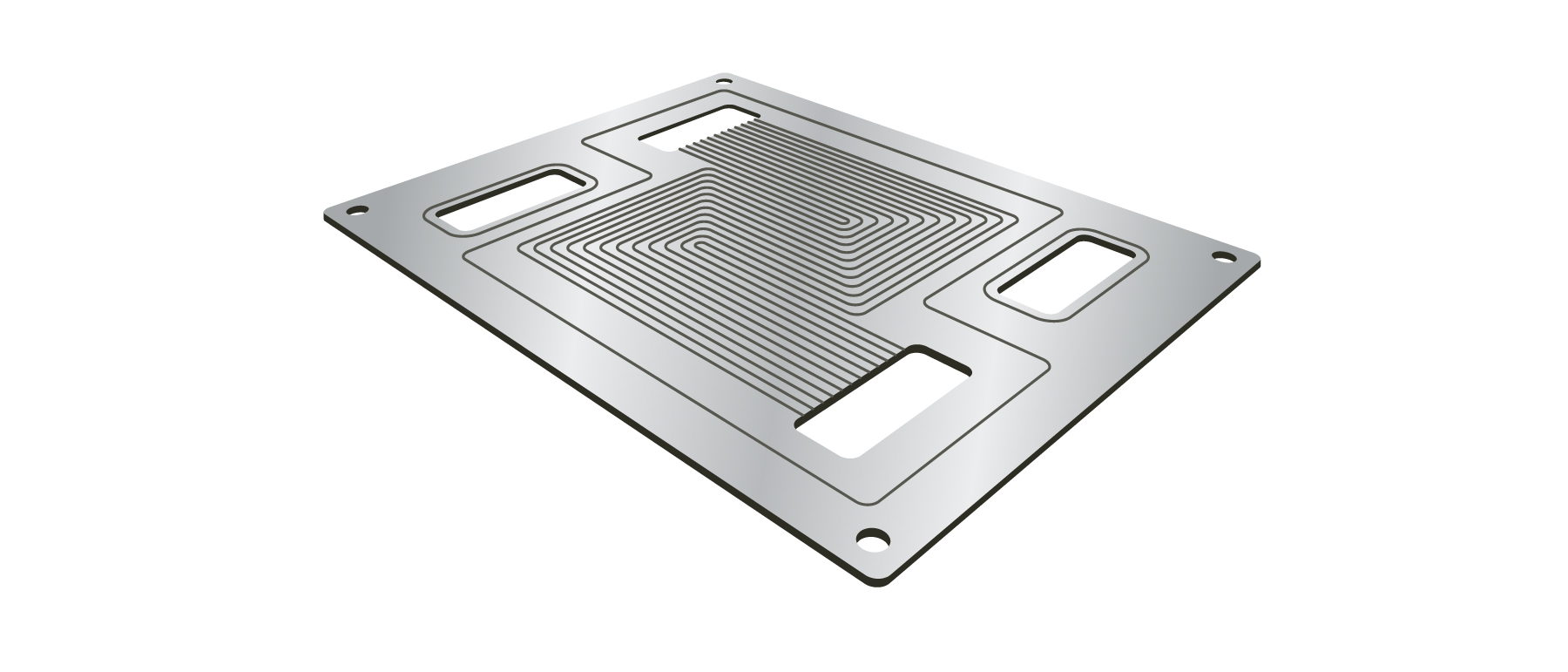
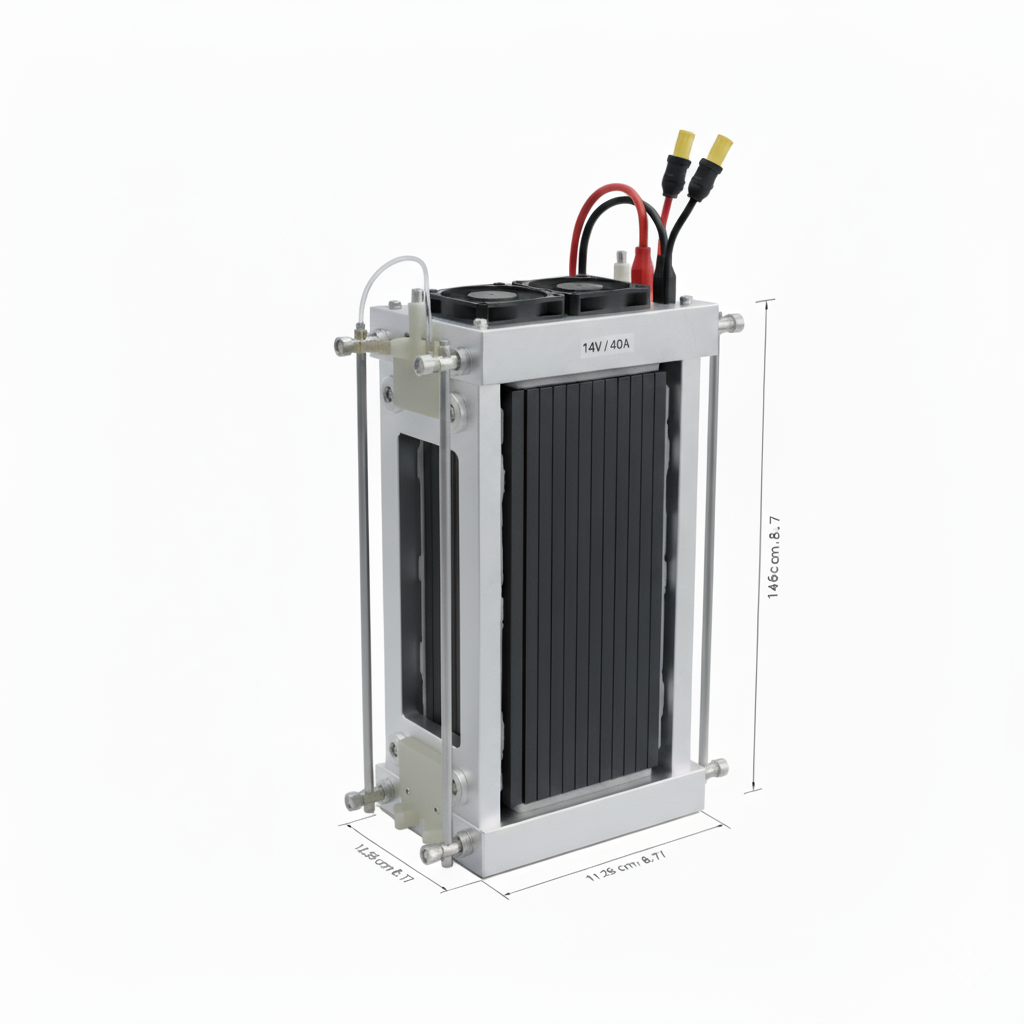
What a stack is made of
Cell count sets the voltage, active area sets the current, and the plate pattern decides how evenly either arrives. None of it is exotic; all of it is geometry.
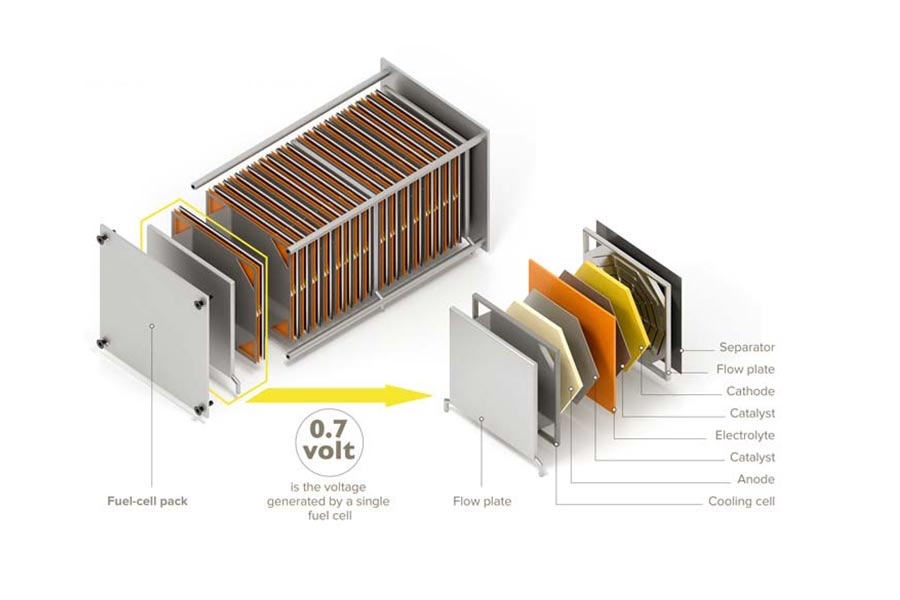
39 minutes to eight and a half hours, battery-electric
What the approach produces across the line. Fixed wing in ink, multirotor in olive; no payload.
{{ pf.desig }} {{ pf.alt }}
{{ pf.lead }}
{{ pf.note }}
{{ pf.planH }}
{{ pf.planP1 }}
{{ pf.planP2 }}
{{ pf.perfH }}
{{ pf.perfP }}
Every part, and why it is that part
- {{ f }}
Drag the slider or keep scrolling to separate the airframe. Hover a group to isolate it. Component makes and part numbers are supplied with the bill of materials under NDA.
{{ pf.payloadH }}
{{ pf.payloadP }}
Specification
Where a field reads not published, the number exists — it goes out under NDA rather than on a web page.
Four airframes, one build method
Six and a quarter to eight and a half hours on station, hand or bungee launched, belly recovered. Every one is a set of printed parts on a placement table, so a spare is a part and a change is a file.
One interface, four airframes
The same quick-release plate on every nose, so a sensor qualified on one platform flies on the rest without rewiring.
Pixhawk-standard autopilots and open firmware across the line. A crew learns the fleet once.
36 to 47 parts per airframe. Spares are prints, and a strike costs the part that took it.
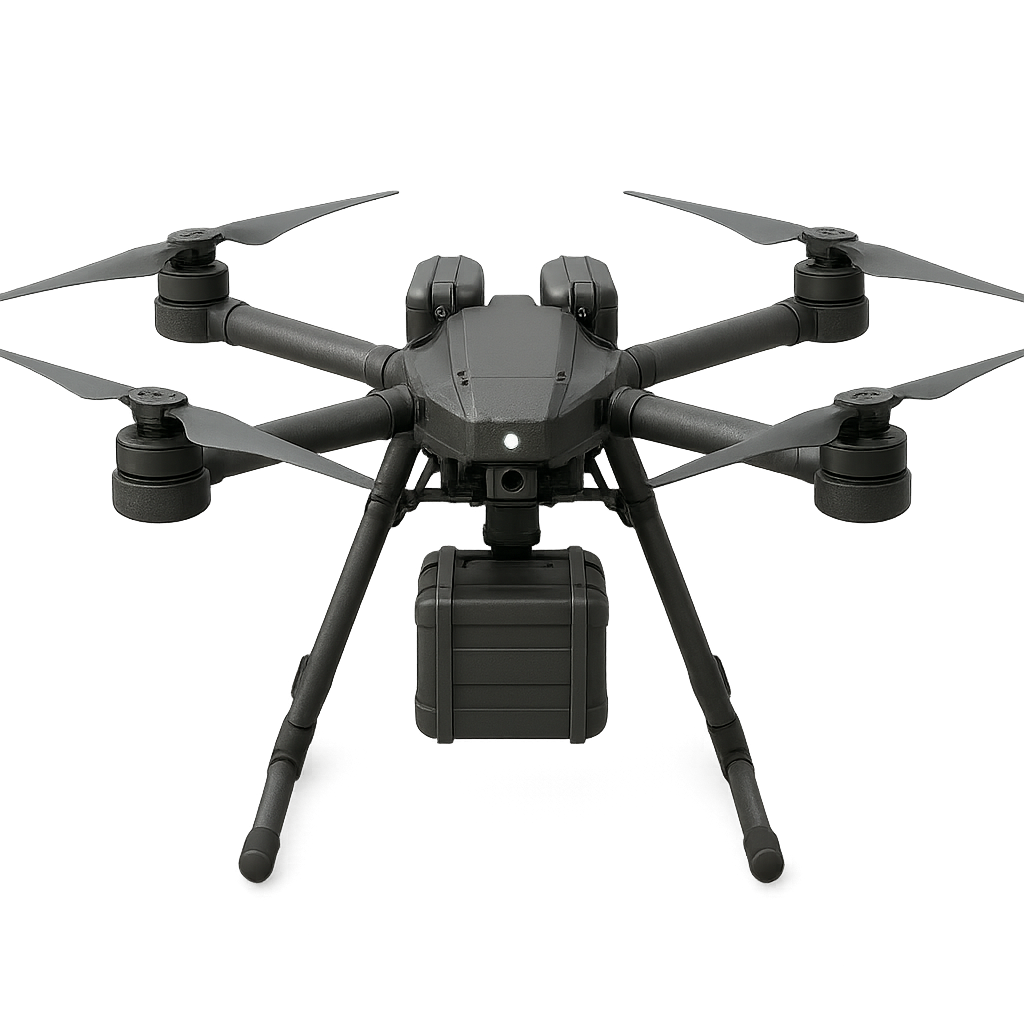
Vertical, from wherever the team is standing.
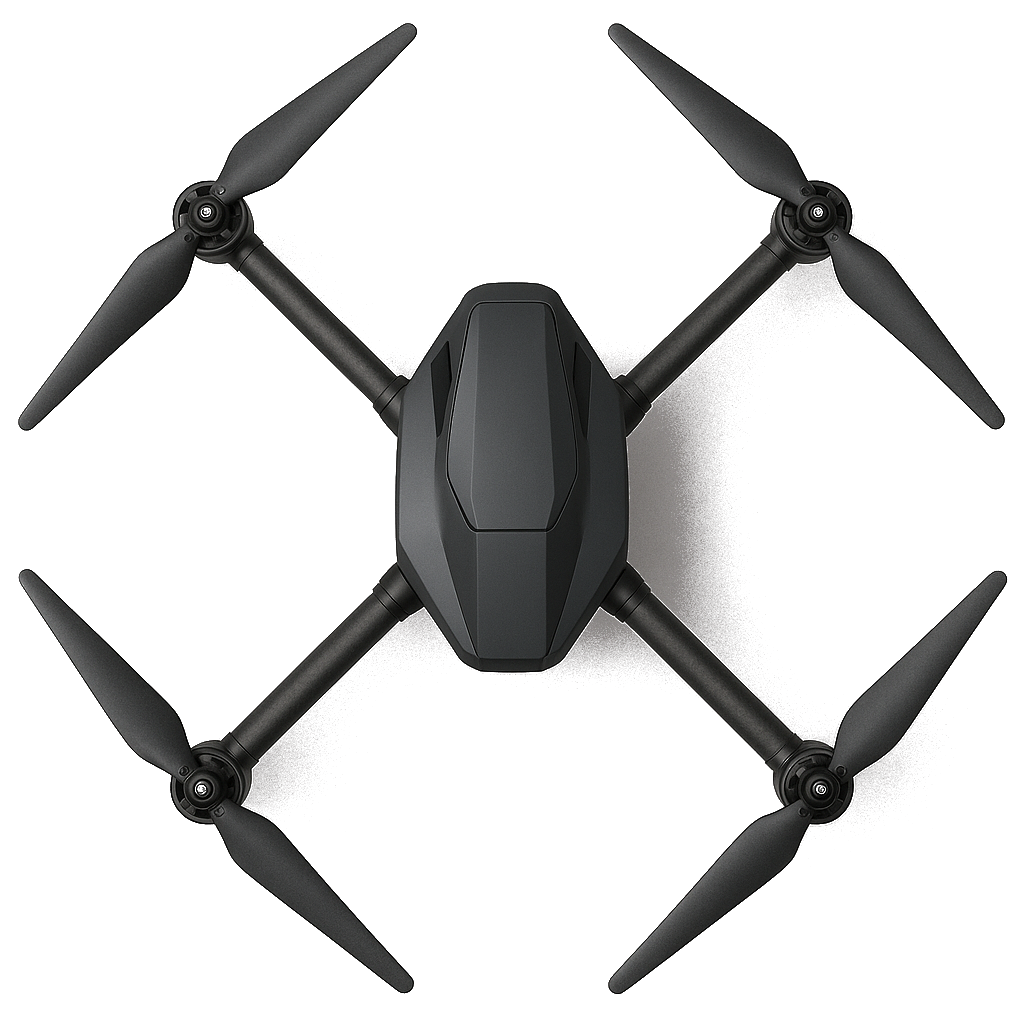
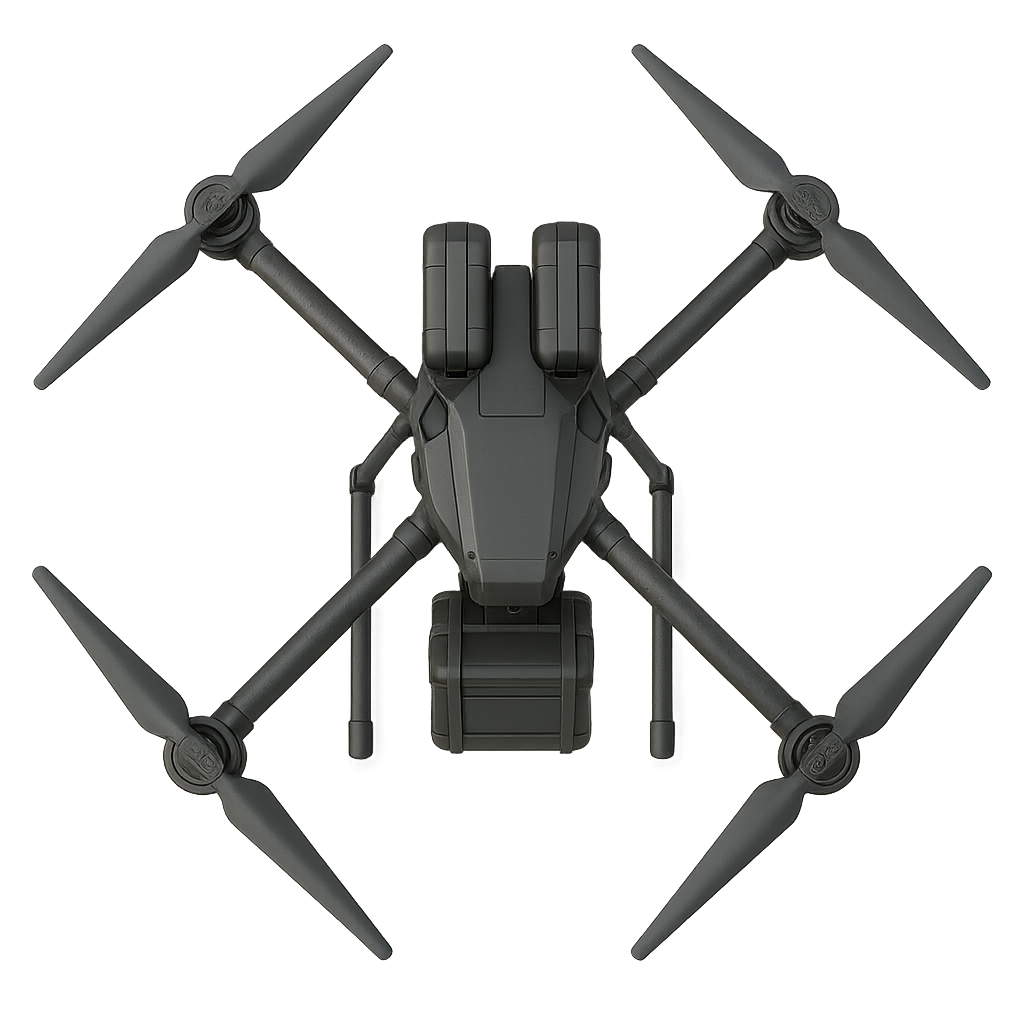
No runway, no launch crew, no prepared site. Five airframes that go up from a compound, a road head or a rooftop — on the same payload plate and the same ground station as the fixed wings.
{{ rt.desig }} {{ rt.alt }}
{{ rt.lead }}
{{ rt.note }}
{{ u.p }}
{{ rt.desig }} in numbers
Where a field reads not published, the number exists — it goes out under NDA rather than on a web page.
{{ m.v }}
Printed part by part, supported part by part
{{ support.lead }}
{{ b.p }}
We re-engineer endurance
{{ about.lead }}
{{ b.p }}
Three disciplines, one airframe at a time
{{ t.v }}